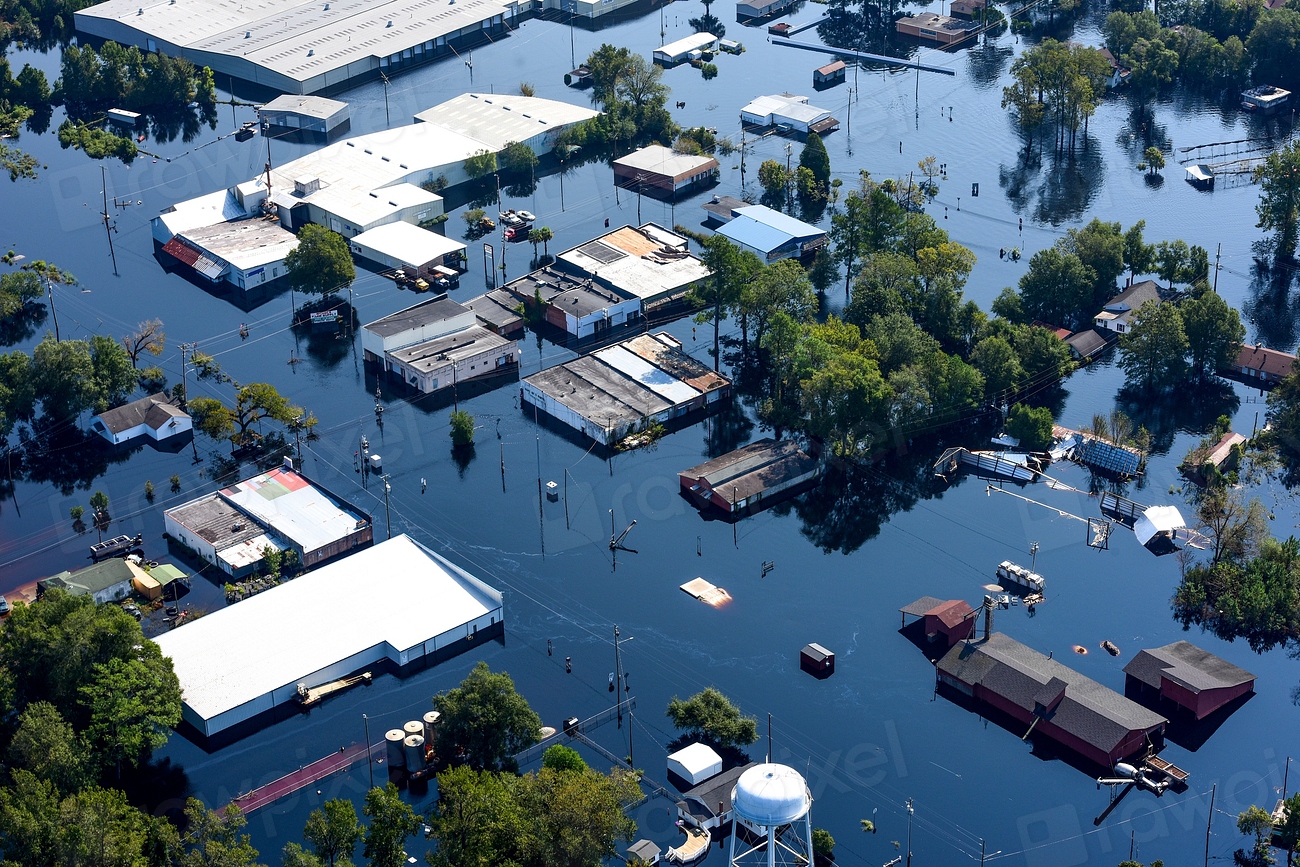

Cities are sites of crises. With climate disasters, democracy collapses, (neo) colonial and capitalist violence, cities become hubs where the full force of lives in crisis collide: from population density, precarious living conditions, and economic inequalities to toxicity, political movements, and the exploitation of nature to sustain life in the city, disparities become more visible within the infrastructural confines of cityscapes as social, political and cultural tensions arise. What is more, as rising sea levels, extreme heat, heavy rainfall, and resource scarcity are putting even more pressure on urban infrastructures, resource distribution, and issues of social justice, the city of the future cannot be negotiated without taking the climate crisis into account.
In light of the climate, the strains on (human) life are intensified as cityscapes become places of infrastructural and environmental disaster when floods, heat waves, and pollution make the betony labyrinth of the city unbearable, and important structures like transport systems, energy grids, and water systems fail, thus taking away the support system that made life in the city even possible.
With all the reasons for cities as places of crises, cities can also be sites of hope:
- Despite worsening living conditions, high population density fosters innovation and collaboration.
- Despite intensified inequalities and disparities, social and economic possibilities are manifold, and refugees and migrants find an arrival place.
- Despite aggravating (political) tension, the proximity of institutions of power and diverse population engenders activism and democratic participation.
- Despite infrastructural failures, research centers improve quality of life through developing sustainable transportation, green architecture, renewable energy and eco-friendly urban planning.
The City as a Cultural Imagination
Cities are at the forefront of places where the effects of the polycrisis are felt materially and socially. Cities are places where encounters of belonging happen next to mechanisms of exclusion. However, cities are never just material and social spaces where human life just happens, but also narrative constructs, affective environments, and carriers of symbolic meanings: cities are sites of cultural imagination.
Cities are spaces that only come into place when imbued with symbolic meaning by human imagination, which gives a city an identity-establishing status. From landmarks, skylines, and neighborhoods, a city is never just one place, but a mosaic of smaller places that have their own cultural and social meaning. We can find spaces of danger and death, of freedom and activism, of modernity and progress, and of decadence. The parts of the city that affect me are those that become part of my identity, part of my journey to find (new) group identities and ways of belonging. However, these imaginations are never neutral but constructed and upheld by politics, media, personal stories, and fiction.
Through their ability to create alternative urban spaces, speculative narratives offer a particularly intense scope for negotiating the difficulties faced by cities, as well as providing space to imagine more hopeful future(s). Literature, film, video games, and board games do thus more than describe urban spaces ; they produce new ways to think, feel, see, and live these places as cityscapes come alive in various forms: from dystopian megacities, decaying ruins, and unjust border areas to idyllic utopias, green cities, deserted ecosystems, and experimental cities as wandering islands or haunted labyrinths.
Core Workshop Questions
Therefore, the workshop on Speculative Cityscapes asks, among others, the following questions:
- How do speculative genres change our understanding of urban spaces and urban experiences?
- What kinds of urban futures become possible through fictional imagination?
- How are the infrastructures and power structures of everyday life made visible in fictional stories?
- How are migration, adaptation, and mobility negotiated?
- What kinds of affective relationships and belonging are imagined within the city?
- How are emotions, such as fear, hate, alienation, hope, and love, related to the urban environment?
- What kinds of energy systems, technical advances, or ecological changes are envisaged for the future?
Call for Contributions
We welcome contributions that explore one or more of these questions and explore how cities are imagined in speculative fiction – novels, TV shows, films, TTRPG, and video games – as either sites of crisis, sites of hope, or a mix of both. Contributions may focus on individual works, authors, media franchises, or theoretical frameworks, and may draw on urban studies, affect theory, ecocriticism, postcolonial studies, critical race theory, media studies, game studies, or related fields. Both close readings and theory-driven or methodologically experimental approaches are welcome.
Possible topics include, but are not limited to:
- Surveillance: monitoring, predictive policing, smart cities, regimes of control
- Urban nature: urban ecologies, hybrid landscapes, green cities, multispecies cities
- (Mental) health: environmental anxiety, depression, drugs, nature-connectedness in cities
- Social (in)justice: urban inequality, racialized and gendered spaces, state violence, biopolitics
- Migration: borders within cities, refugees, displacement, marginalization, diaspora
- Social mobility: opportunity, class, precarity, exclusion
- Energy: solarpunk, renewable futures, post-carbon and communal energy systems
- Infrastructures: transport, waste, water, data, housing, supply chains, (in)visible systems
- Urban horror: monstrous architectures, urban uncanny, disorientation, haunting
- Architecture: underground cities, arcologies, megastructures, vertical ecologies
- Community: kinship, queer belonging, community formation and migration
- Resistance: protest, grassroots activism, queer belonging
- Posthuman/monstrous cities: city as living organism, personifications
- Future cities: green utopias, dystopian megacities, post-apocalyptic ruins, floating cities, subterranean settlements
Submission Guidelines & Important Dates
- Submission Format: We invite proposals (300-400 words, in English) along with a brief biographical note.
- Email Subjects: Please use the subject line “Speculative Cityscapes”.
- Contact Emails: Send proposals to [email protected], [email protected], and [email protected].
- Deadline for proposals: May 31, 2026
- Conference date: October 10, 2026
- Location: TU Braunschweig, Germany