
Speakers:
Dr. Nikoleta Zampaki (Associate and Managing Editor of Ecokritike, Series Editor of the Exeter Studies in Environmental Humanities
Dr. Emily Elliott (Director of H-Net Journals)
Friday, September 18th, 2026, 4:00-5:00 pm CEST
This second installment of EASLCE’s new webinar series “Ask/Meet the Editors” brought into focus the journal Ecokritike and the book series Exeter Studies in Environmental Humanities, published by the University of Exeter Press. Dr. Nikoleta Zampaki spoke on behalf of Ecokritike and as series editor of the Exeter Studies in Environmental Humanities, and Dr. Emily Elliott offered her experience as director of H-Net Journals, the open-access online platform that hosts Ecokritike, to the group.
Nikoleta Zampaki began by presenting both the journal, Ecokritike, and the book series to the group. She spoke about structural aspects such as the number of issues published per year, the number of scholarly articles and book reviews commonly included in each issue (max. 6–10 articles and 5 books reviews for regular issues), as well as the common procedure of commissioning articles and the peer review process.
Emily Elliott gave participants an overview of the institutional development of H-Net and its general mission to offer new or emerging journals a platform to experiment with alternative, and perhaps more niche or experimental, forms of publishing – including event-focused journals but also interdisciplinary outlets such as Ecokritike. She emphasized the importance of open access and the availability of such platforms to foster and ensure variety in science.
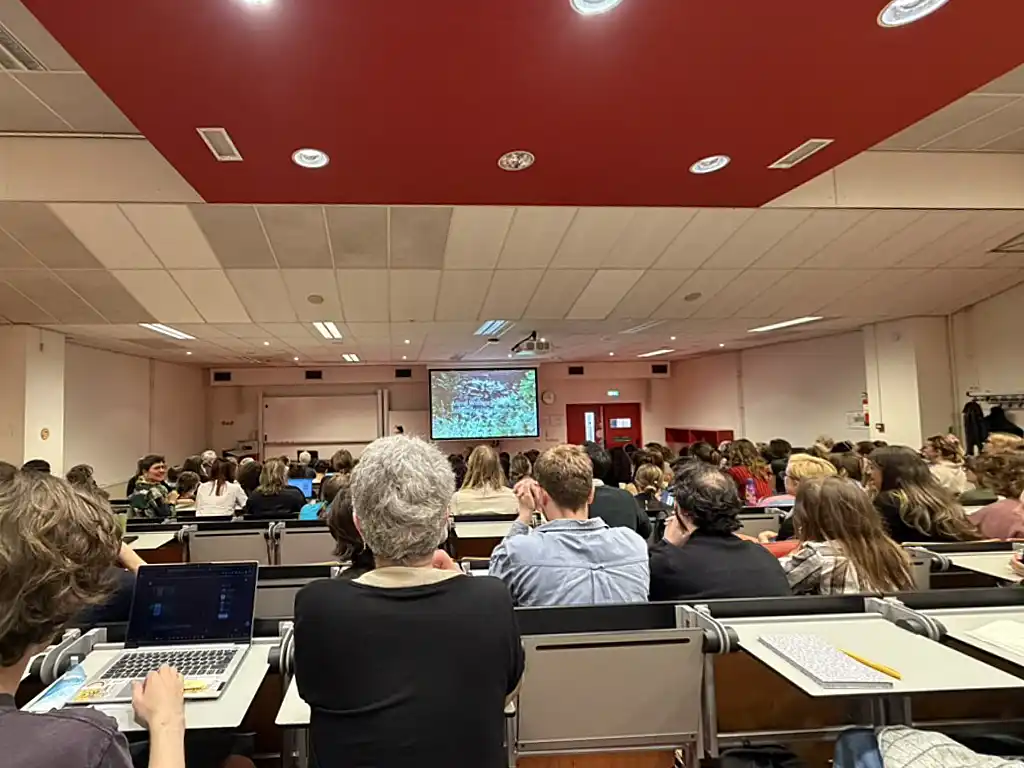
The webinar held ample space for participants to ask questions and engage with both experts concerning more general aspects related to publishing and the specifics of Ecokritike and H-Net as well as the book series. They encouraged scholars of all professional levels – including early career scholars – to contact the editors of Ecokritike and the University of Exeter Press with suggestions and ideas for special issues, individual scholarly articles, or book proposals. They specifically encouraged PhD students to contact editorial staff early on in the process to ask for pointers and support along the way.
Links for further information:
To learn more about Ecokritike, visit: https://journals.h-net.org/ecokritike/index Here you can find detailed information about the journal as well current and past issues, and specific guidelines for submissions.
To learn more about the Exeter Studies in Environmental Humanities, visit: https://www.exeterpress.co.uk/collections/exeter-studies-in-environmental-humanities
To learn more about the H-Net platform, visit: https://networks.h-net.org/