


EASLCE Call for Papers

Waters Rising Call for contributions to a special issue of Green Letters on floods in the literary imagination of environmental crisis With a tradition dating back at least to the epics (e.g. Gilgamesh and Noah’s Ark), stories of floods have long been literary metaphors of great rhetorical power and familiar imagery; water can be a…

Towards Extinction, To Ward Off Extinction An International Conference organised by CECILLE (Centre d’Etudes en Civilisations, Langues et Lettres Étrangères) 7-9 November 2019 Université de Lille SHS, France Convened by: Thomas Dutoit (CECILLE), Sarah Jonckheere (CECILLE/IdA), and Laura Lainväe (EMMA) Keynote speakers: Sarah Wood, co-editor and advisory board of OLR and Angelaki, UK Jesse Oak…

This year the Association for the Study of Literature and Environment (ASLE) is experimenting with a two-part submission process intended to make the conference more participant-driven and democratic. The second step is this Call for PAPERS. Proposals must be submitted by December 15, 2018 at 11:59 pm EST.
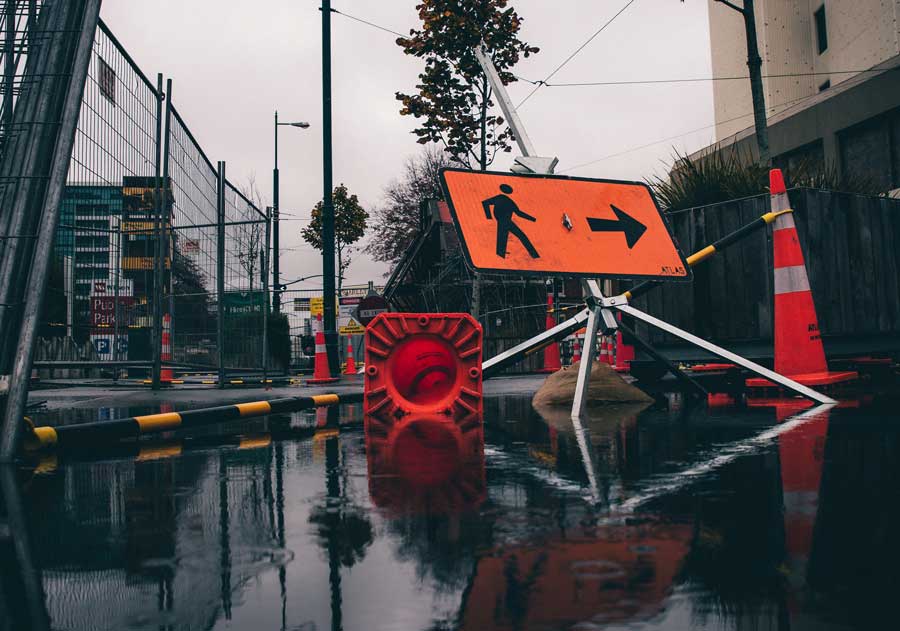
An International Conference organised by EMMA (Etudes Montpelliéraines du Monde Anglophone) in collaboration with CECILLE (Centre d’Etudes en Civilisations, Langues et Lettres Étrangères)

Water, Animals, and Arctic Climate Change: An International Symposium The symposium will shift the focus from purely textual ecocriticism to the recent breakthroughs in material ecocriticism and explore the creative role of materiality in narrative meaning-making.

International transdisciplinary symposium organized by HCTI (EA 4249) November 21-23, 2019 at the Université Bretagne Sud in Lorient, South Brittany, France.

Nature Writing’s Future Pasts – Land Lines Conference CFP British nature writing can be understood as both a product of and a challenge to a western-style modernity that has created the conditions for its own unravelling. The tense that best captures these conditions is the future anterior. Scottish writer Kathleen Jamie, wandering through Bergen’s Natural…
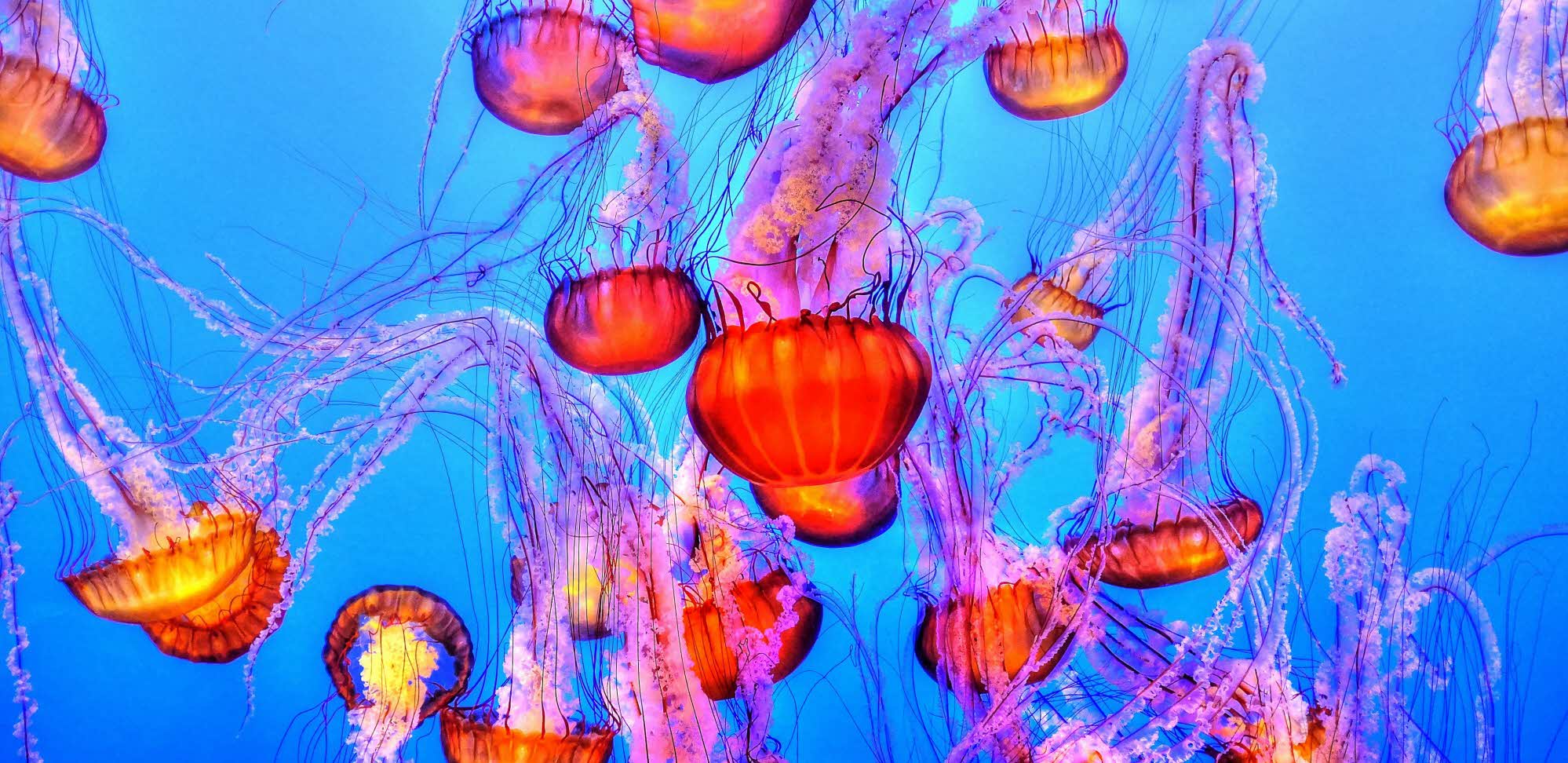
We face an unparalleled historical situation of global multispecies suffering, variously known as the Anthropocene, or the New Climatic Regime, and signalled by alarming states of exposure and precarity in more-than-human worlds. The question of how to nurture liveable futures for ‘us’ – while also asking who and what might be included in this ‘us’…
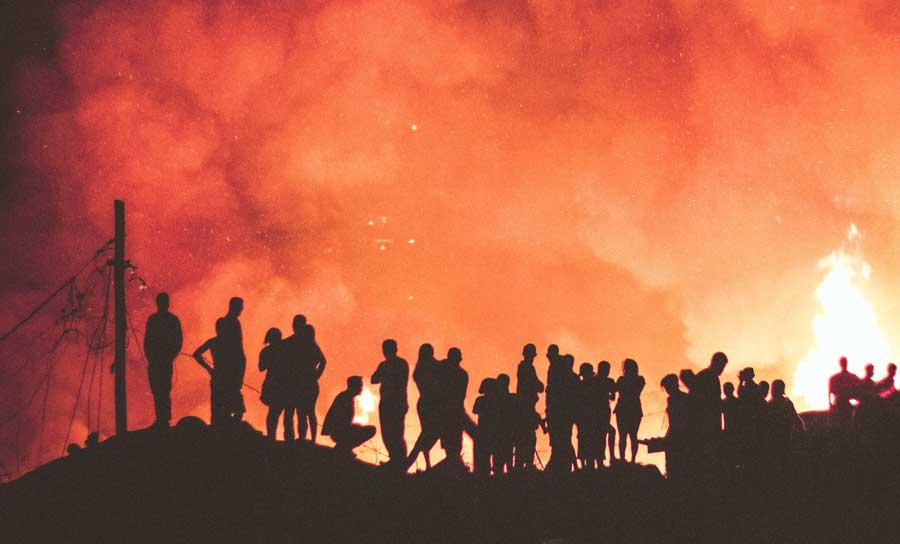
The Biennial ASLE Conference “Paradise on Fire” explores the connections among storytelling, real and imagined landscapes, future-making, activism, environed spaces, differential exclusions, long histories, and the disaster-prone terrains of the Anthropocene.

What is now known as the environmental humanities has become a recognised and thriving field, and invaluable work that tackles the challenges of climate change, biodiversity loss and energy consumption is being done in areas such as ecocriticism, human-animal studies, and environmental history…