


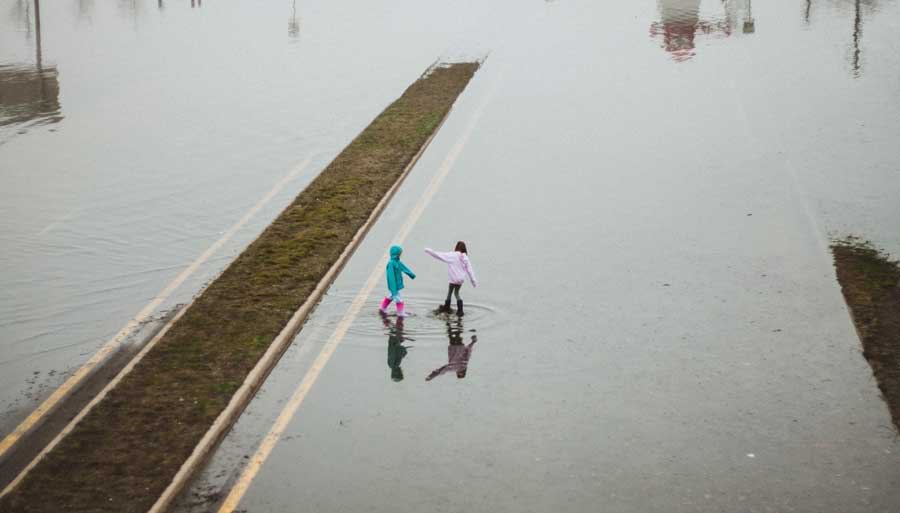
PhD Course, University of Bergen,August 30–September 4, 2020 5 ECTS credits Language: English The course will be held digitally if the corona situation does not allow physical presence in Bergen. Can the humanities contribute productively to the inter-disciplinary field of climate change research? Some of the humanistic contributions to this field have focused on how…

Brexit Ecocriticism Greg Garrard, Professor of Environmental Humanities, University of British Columbia, Canada Webinar Date and time: 2 May 2020, 10am PDT / 7pm CET The long-standing relationship between conservatism and conservation, and between nation and nature, was obscured by the stark anti-environmentalism of late twentieth century neoliberal conservatism. The vital role of ‘Englishness’ in…

Scott Slovic opened the webinar with an introduction into the world of the public intellectual, a figure that is explored in depth in the writings we prepared for the webinar. Rather than letting ourselves be pushed to the side while scholars in the fields of economics, public policy, law and the natural sciences dominate public…
Scott Slovic, Professor of Environmental Humanities, University of Idaho, USA EASLCE Webinar Date and time: April 5th, 10am PST / 7pm CET Many students, teachers, and researchers have been drawn to the environmental humanities because of a desire to contribute, through academic work, to the well-being of society and the planet—but sometimes practitioners feel unprepared…

30 scholarships for advanced MA students and early career researchers (Ph.D. candidates, Postdocs) Würzburg Winter School Configurations of Mobility: Transition – Transformation – Transgression 24–28 February 2020 Mobility has become an interdisciplinary paradigm in academic research since the last turn of the century. In German-speaking contexts, the study of mobility has mainly been focused on…

Webinar 16.11.2019 at 10 AM CET on “Plant Studies” Prof. Christa Grewe-Volpp “Plant studies” is a very recent branch of critical inquiry in literary and cultural studies which, although discussed since the 1970s, entered public discourse only in 2013 with Michael Pollan’s article “The Intelligent Plant” in The New Yorker. Pollan is one among several…

International Postgraduate Workshop Ecocriticism and Narrative Form 9th to 10th December, 2019 Graduate Center for the Study of Culture Justus-Liebig-Universität Giessen, Germany Organized by Oikos, GCSC Giessen, in cooperation with the European Association for the Study of Literature, Culture, and Environment (EASLCE). Guests: Prof. Erin James (University of Idaho) and Dr. Michael Basseler (GCSC)…
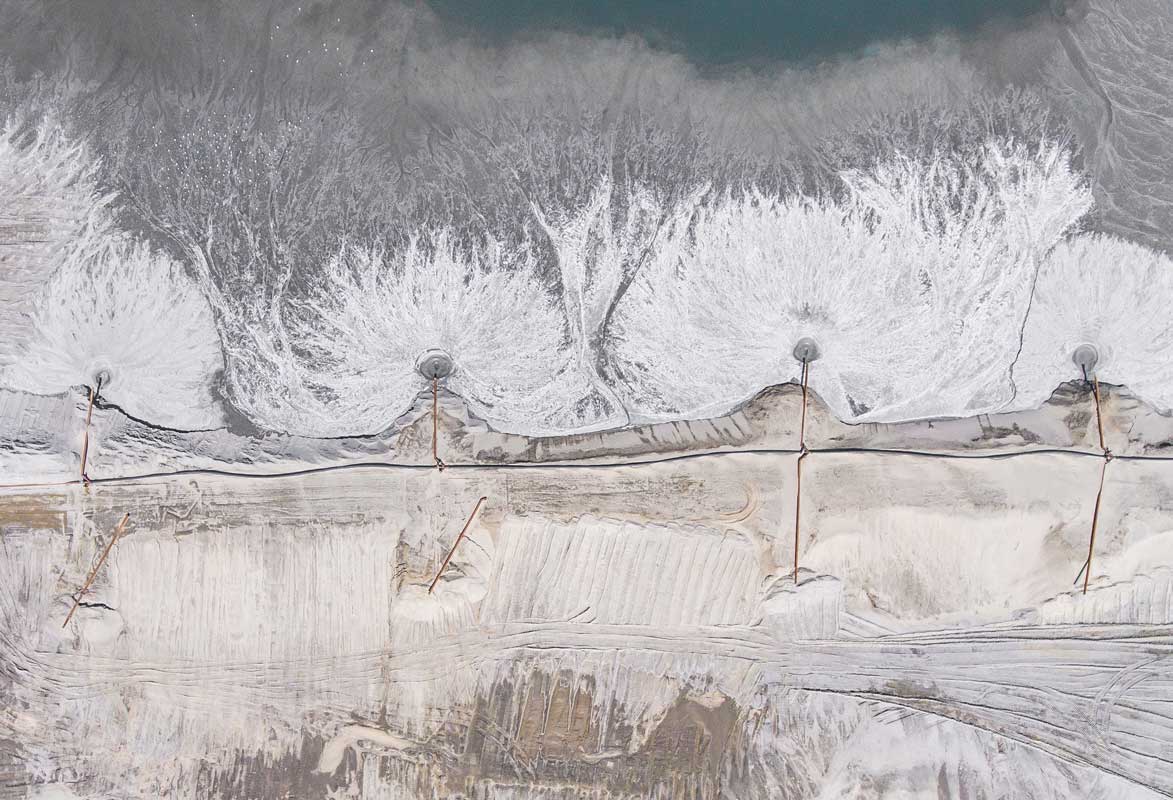
25. Sep – 27. September 2019 PhD Course: Ecocritical Theory: Literature, Culture and Environment University of Agder, Norway Ecocritical Theory: Literature, Culture and Environment Ecocriticism, that is, research focusing on the relation between literature, culture and the environment, is a rapidly growing field both internationally and within Norway. As an environmental humanities discipline, ecocritical research…
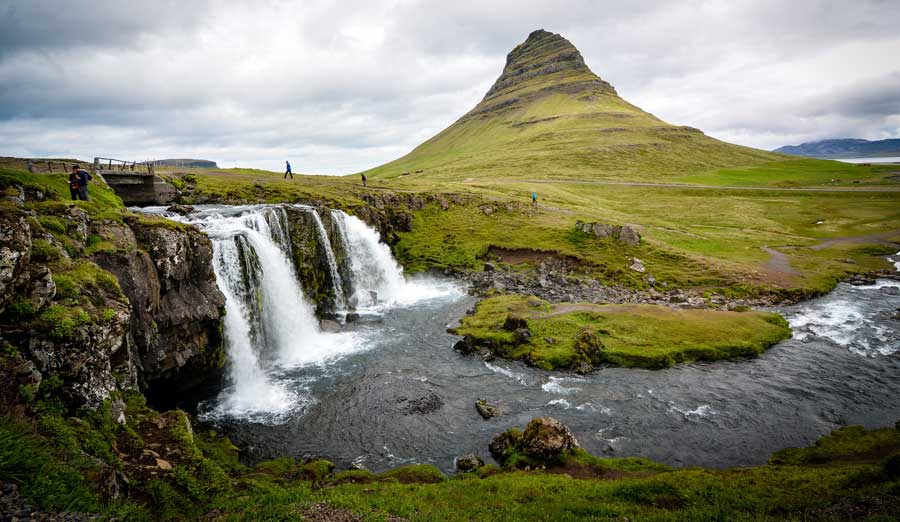
Human Ecology and Culture at Lake Mývatn 1700-2000: Dimensions of Environmental and Cultural Change: The application period will be open for one month (deadline 15 March) for a unique graduate course in integrated environmental humanities and social sciences in Bárðardalur, northern Iceland, 16-26 August 2019. Aimed at masters and doctoral-level study, this summer course based at…

EASLCE Webinar Spring 2017With Dr. Simon C. EstokThe Ecophobia Hypothesis Saturday, May 20, 2017, 14:00 pm EU time Context: In The Biophilia Hypothesis, a book E.O. Wilson co-edited, Stephen Kellert explains that “the dominionistic experience of nature reflects a desire to master the natural world” (56). This “proficiency to subdue, the capacity to dominate, and…