
September 18, 2026 | 4-5pm CEST
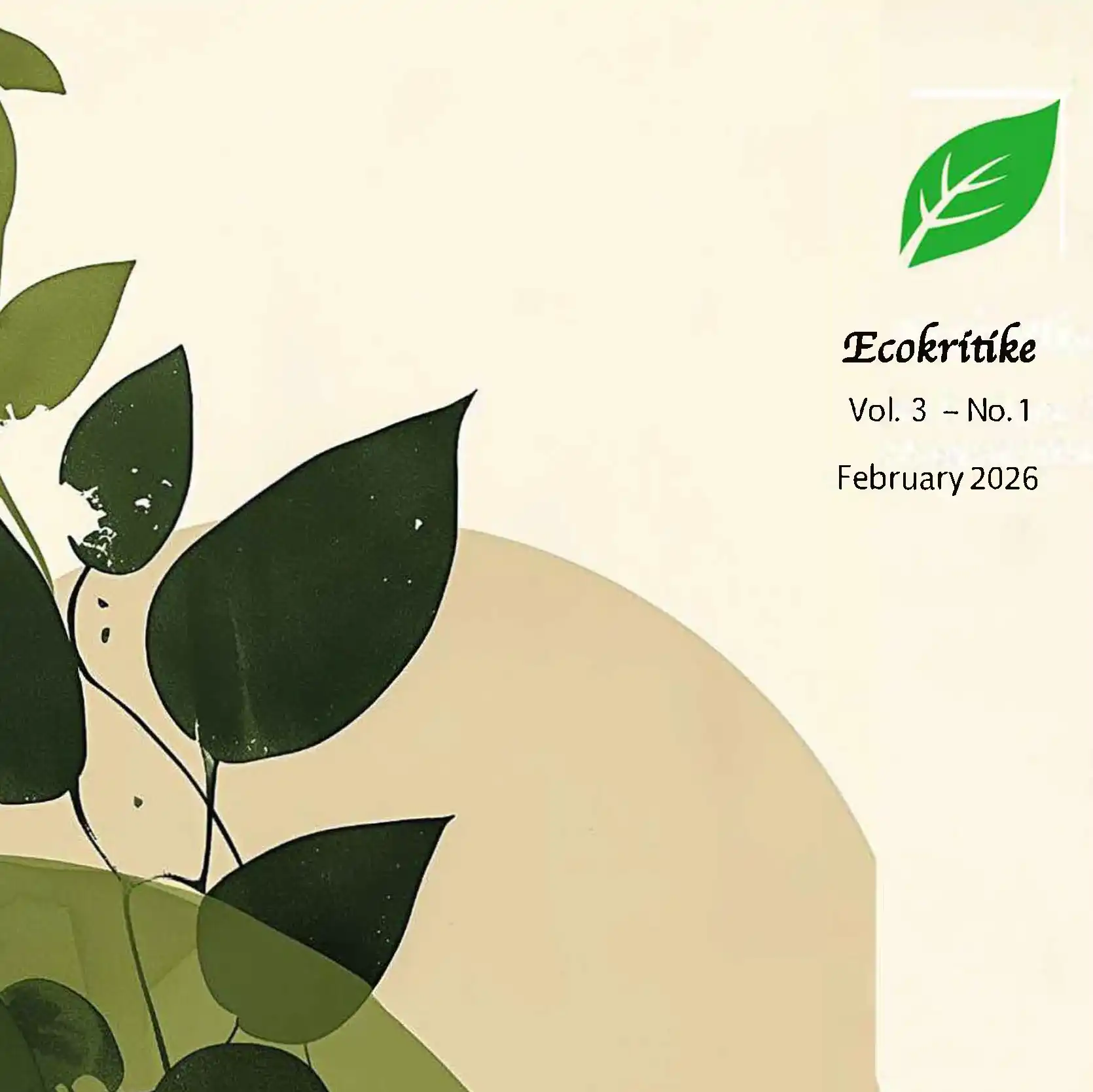
In this webinar titled “Ask the Editors,” Professor Peggy Karpouzou, Editor-in-Chief of Ecokritike and Series Editor of the Exeter Studies in Environmental Humanities, Dr. Nikoleta Zampaki, Associate and Managing Editor of Ecokritike and Series Editor of the Exeter Studies in Environmental Humanities, Dr. Emily Elliott, Director of H-Net Journals and Dr. Becky Taylor, Senior Commissioning Editor of the University of Exeter Press, will offer scholars in the Environmental Humanities an insider’s perspective on the publishing workflows of two interconnected platforms.
After outlining the birth of Ecokritike –an open‑access, peer‑reviewed journal which is published through the H-Net Journals’ initiative – and the establishment of the University of Exeter Press Book Series as a home for longer‑form eco‑narratives, the editors will guide scholars through the distinct submission pathways: from an article and special‑issue proposals for Ecokritike to a monograph and edited‑collection pitches for the Exeter Studies in Environmental Humanities book series. They willstress the importance of aligning one’s research with the thematic foci of an outlet and meticulously following technical guidelines to expedite peer review.
The participants will gain further clarity on indexing strategies, the collaborative labour behind each issue and book, and how to get involved – whether as authors, reviewers, guest editors, or book reviewers – thereby demystifying the entire editorial ecosystem from submission to publication and print.
In preparation, please a look at the journal’s website and also at the Exeter Studies in Environmental Humanities Series:
https://journals.h-net.org/ecokritike
https://www.exeterpress.co.uk/collections/exeter-studies-in-environmental-humanities
REGISTRATION: